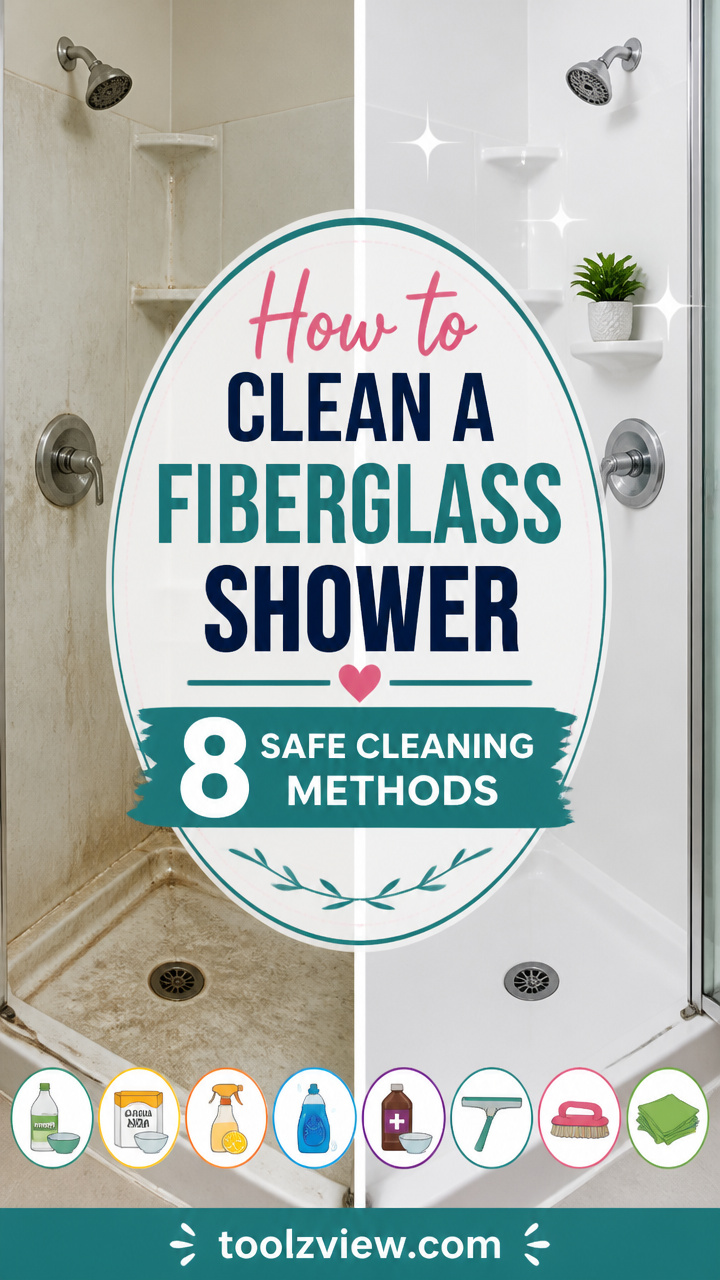
How to Clean a Shower Head: 7 Ways to Remove Mineral Buildup
Hard water leaves behind mineral deposits that can clog your shower head and weaken the flow. Over time, those white or crusty spots around the nozzles aren't just ugly—they mean your shower isn't working as well as it should.
Cleaning your shower head is a quick job that makes a real difference. You'll get stronger spray, better water pressure, and a fresher feel every time you step into the shower.
What You'll Need
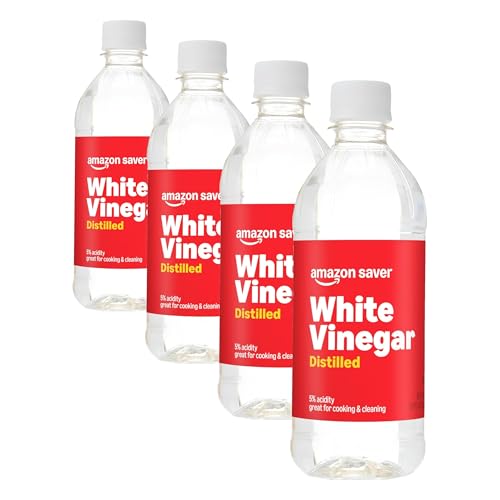
- White vinegar
- A plastic bag or bowl
- Rubber band or twist tie
- Soft brush or old toothbrush
- Towel
- Baking soda (optional)
7 Simple Ways to Clean Your Shower Head
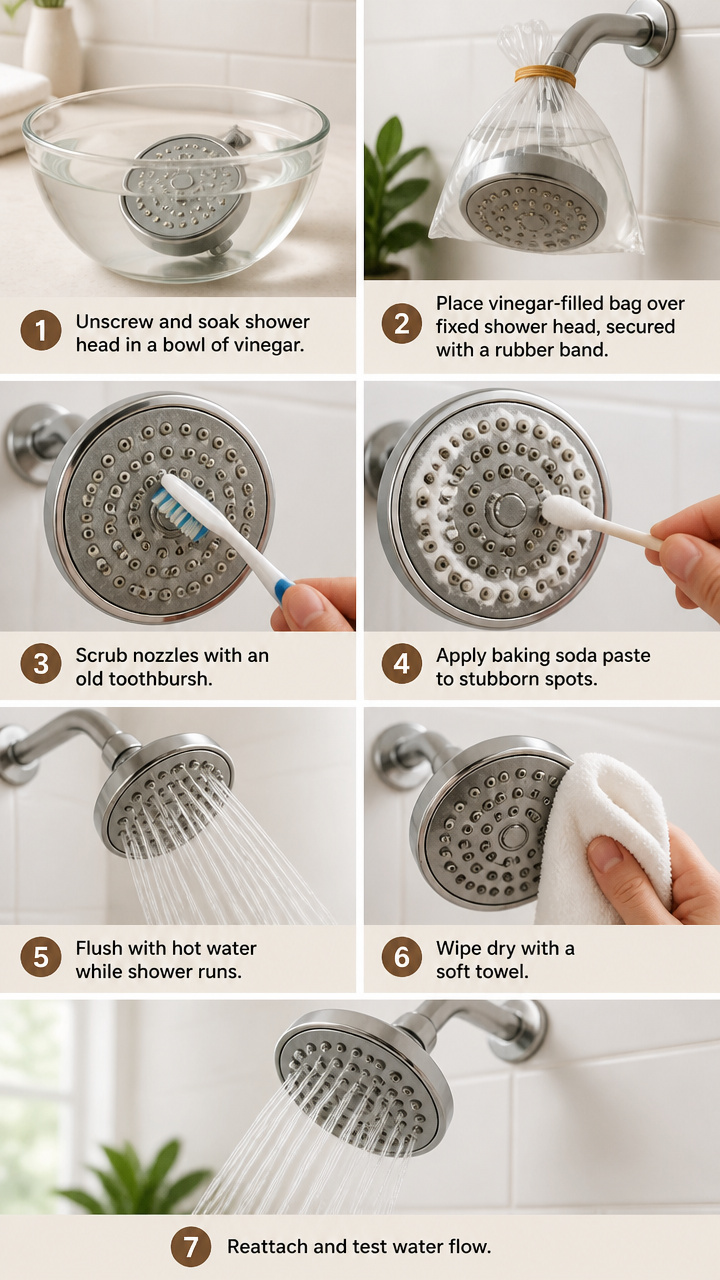
1. Remove and Soak in Vinegar
Unscrew your shower head and place it in a bowl of white vinegar. Let it soak for at least 30 minutes, or overnight if the buildup is heavy.
This softens lime and calcium so they wipe away easily.
2. Bag Method for Fixed Shower Heads
Fill a plastic bag with white vinegar and place it over the shower head. Use a rubber band or twist tie to hold it in place so the nozzles stay submerged.
Leave it for 30 to 60 minutes, then remove and rinse thoroughly.
3. Scrub with a Brush
After soaking, use a soft brush or old toothbrush to gently scrub around the nozzles. Focus on any spots that still look cloudy or blocked.
Rinse with warm water to flush out loosened minerals.
4. Use Baking Soda Paste
Mix baking soda and vinegar into a thick paste and apply it to stubborn spots. Let it sit for 15 minutes before scrubbing with a brush.
This combo helps lift tough deposits without scratching the surface.
5. Flush with Hot Water
Once cleaned, turn on the shower to run hot water through the head for a few minutes. This clears out any leftover debris and checks water flow.
Watch how much smoother and stronger the spray becomes.


6. Wipe and Dry
Use a clean, dry towel to wipe down the shower head. This prevents new water spots and keeps the finish looking fresh.
It only takes a minute but helps your work last longer.
7. Reattach and Test
If you removed the shower head, screw it back on securely by hand. Turn on the water and check for leaks or uneven spray patterns.
Make small adjustments until it feels just right.
Tips for Best Results
For chrome or shiny finishes, avoid harsh scrubbing pads—they leave scratches. Stick to soft brushes and cloth.
If your water is very hard, clean the shower head every few months to prevent serious buildup.
Vinegar smell fades quickly after running the water. If needed, follow up with a mild soap wash and rinse well.
When to Replace Instead
If water still dribbles after cleaning, or the shower head feels cracked or brittle, it may be time to replace it. Some models wear out faster than others.
A new shower head costs little and can save water while improving your daily shower.
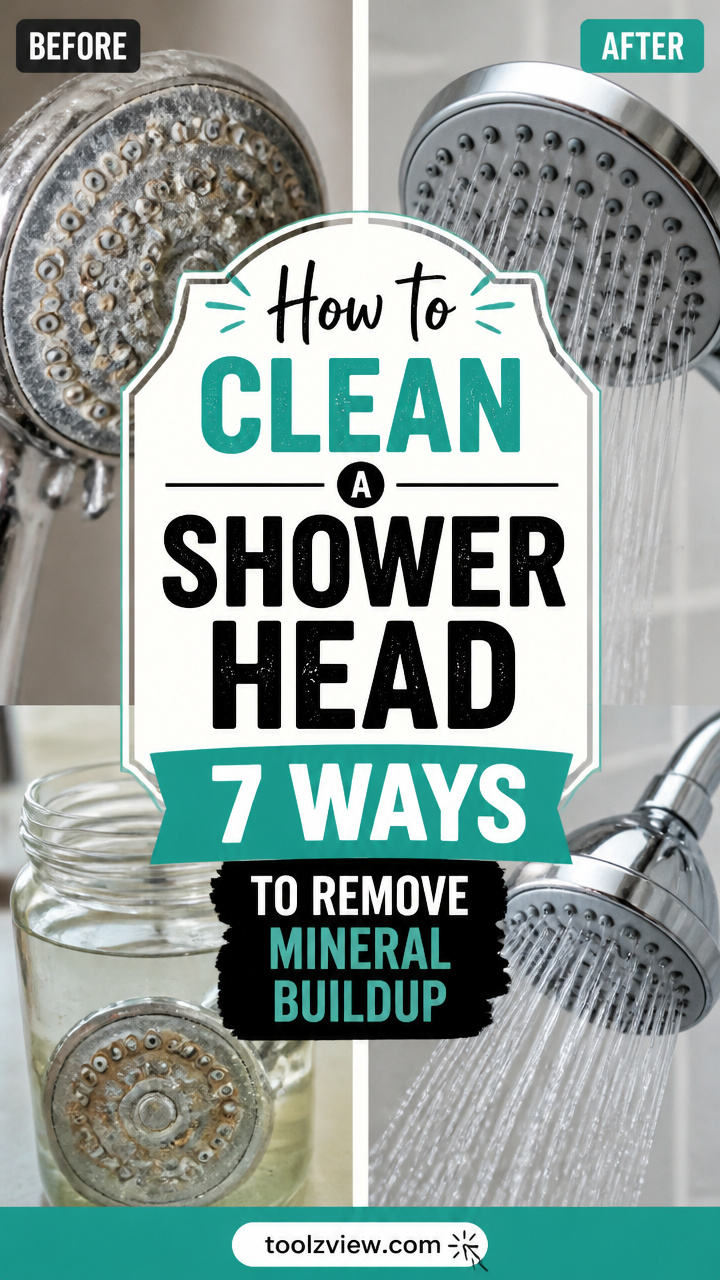
You don’t need special tools or cleaners to keep your shower head working well. With a little vinegar and some attention, you’ll enjoy steady spray and cleaner water every time.
Now that you know how easy it is, it’s one less thing to worry about.