
15 Summer Home Garden Ideas for a Fresh Backyard
Summer is the season when a neglected backyard can actually become your favorite room in the house.
In this list, you’ll find 15 practical ideas — from raised beds packed with edibles to shaded hammock nooks built for lazy afternoons with a good book. Some are weekend projects, others take just an afternoon.
A few ideas lean toward growing food, like kitchen garden beds and climbing vegetable trellises. Others focus on color and wildlife, including native wildflower patches that practically take care of themselves.
Pick one idea or try several. Your backyard will thank you either way.
1. Raised Beds for Edible Gardens
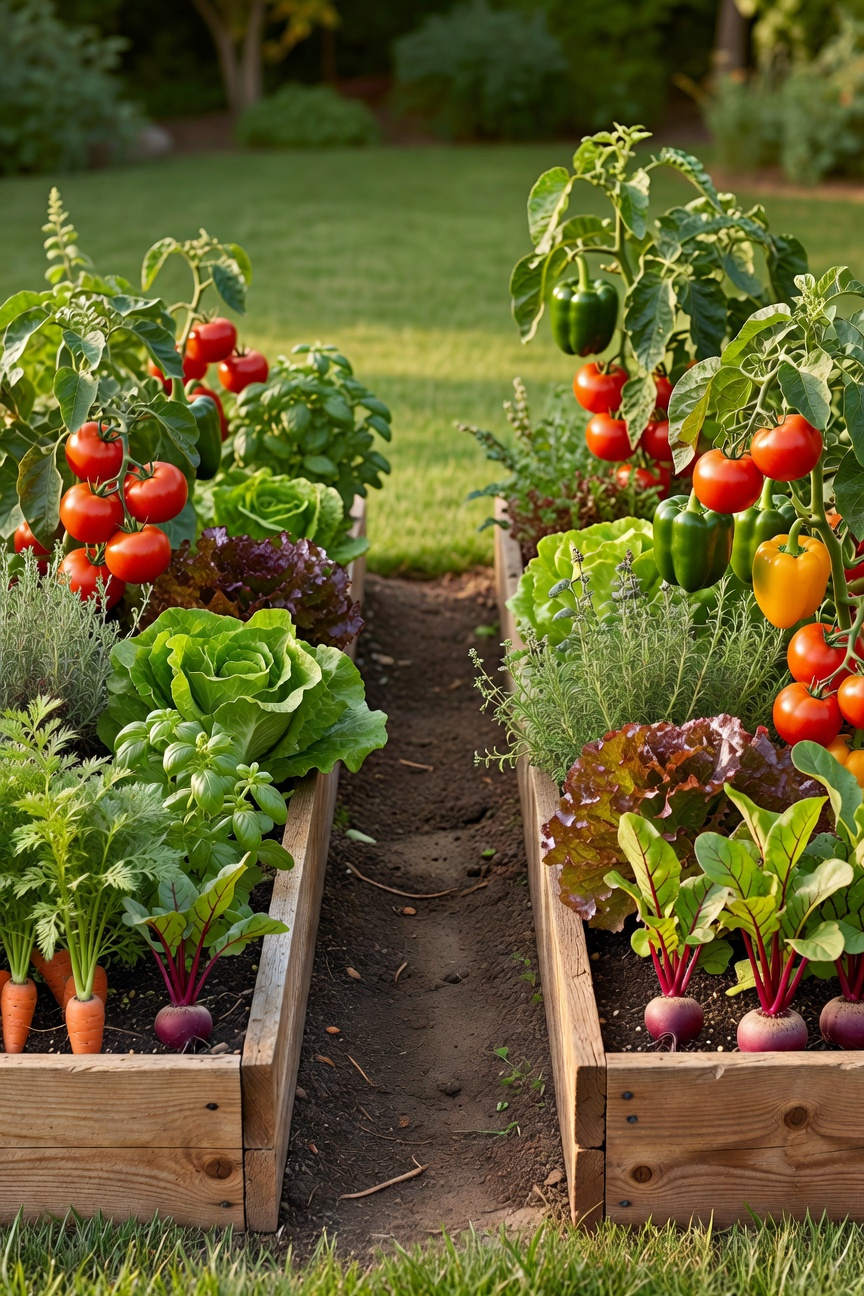


Raised beds give you complete control over your soil quality, which makes a huge difference when you’re growing tomatoes, peppers, lettuce, or herbs through the hottest months of the year.
Cedar and redwood are the go-to materials — both resist rot naturally and hold up through years of watering without warping or splitting.
Build your beds at least 10–12 inches deep so root vegetables like carrots and beets have room to develop properly.
Spacing beds about 18 inches apart keeps pathways walkable and gives you easy access from both sides without stepping on the soil and compacting it.
2. Vertical Trellis with Climbing Vines
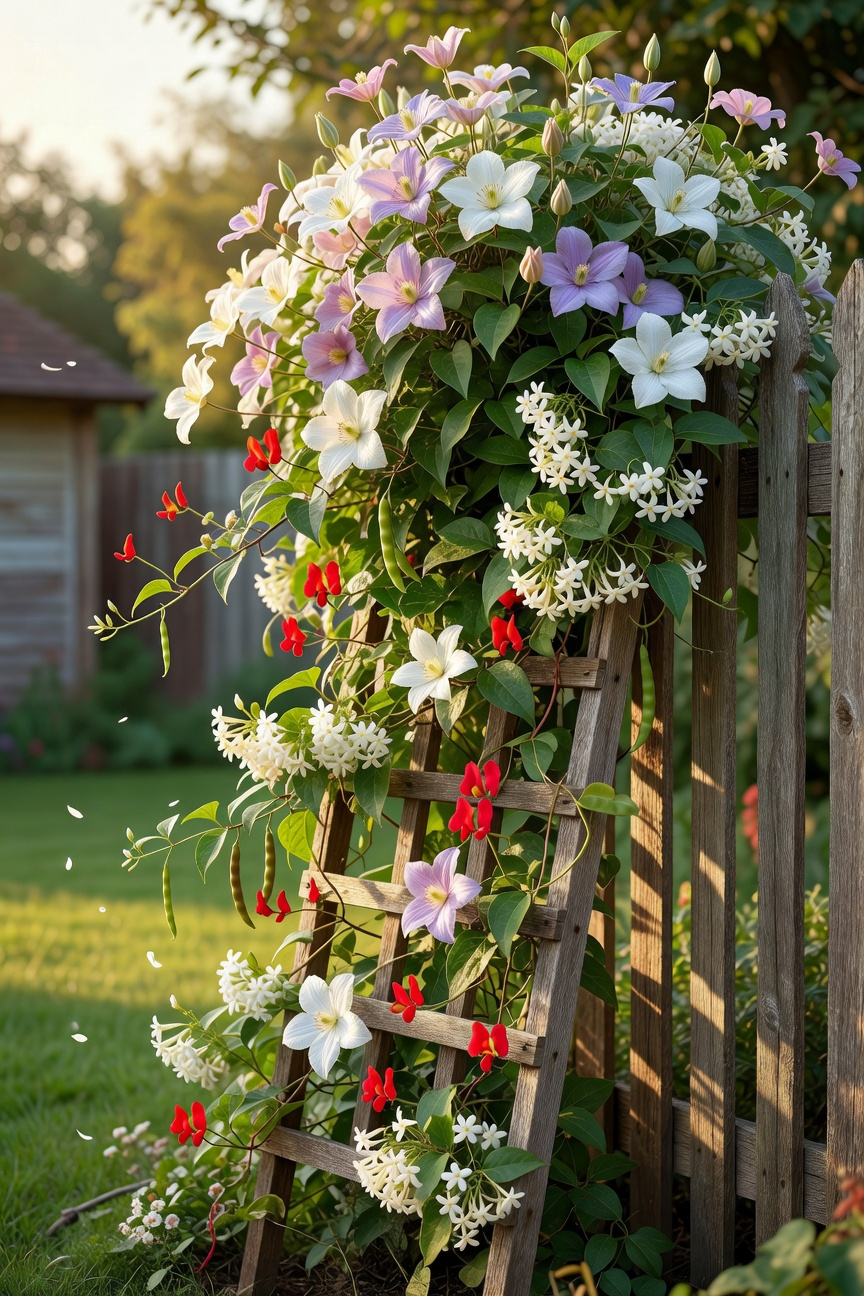


A wooden or metal trellis fixed against a fence or bare wall gives climbing plants somewhere to go instead of sprawling across the ground.
Clematis, jasmine, and scarlet runner beans all work well in summer — they grow fast and cover a lot of vertical space within a single season.
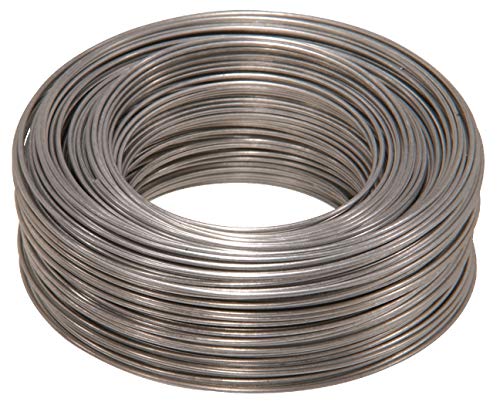
Use galvanized wire stretched horizontally between screw-in eye hooks if you want a cleaner, low-profile option over a traditional timber frame.
The added height also creates a natural privacy screen, which cuts wind and blocks sightlines from neighboring yards without putting up a solid fence.
3. Colorful Native Wildflower Patches
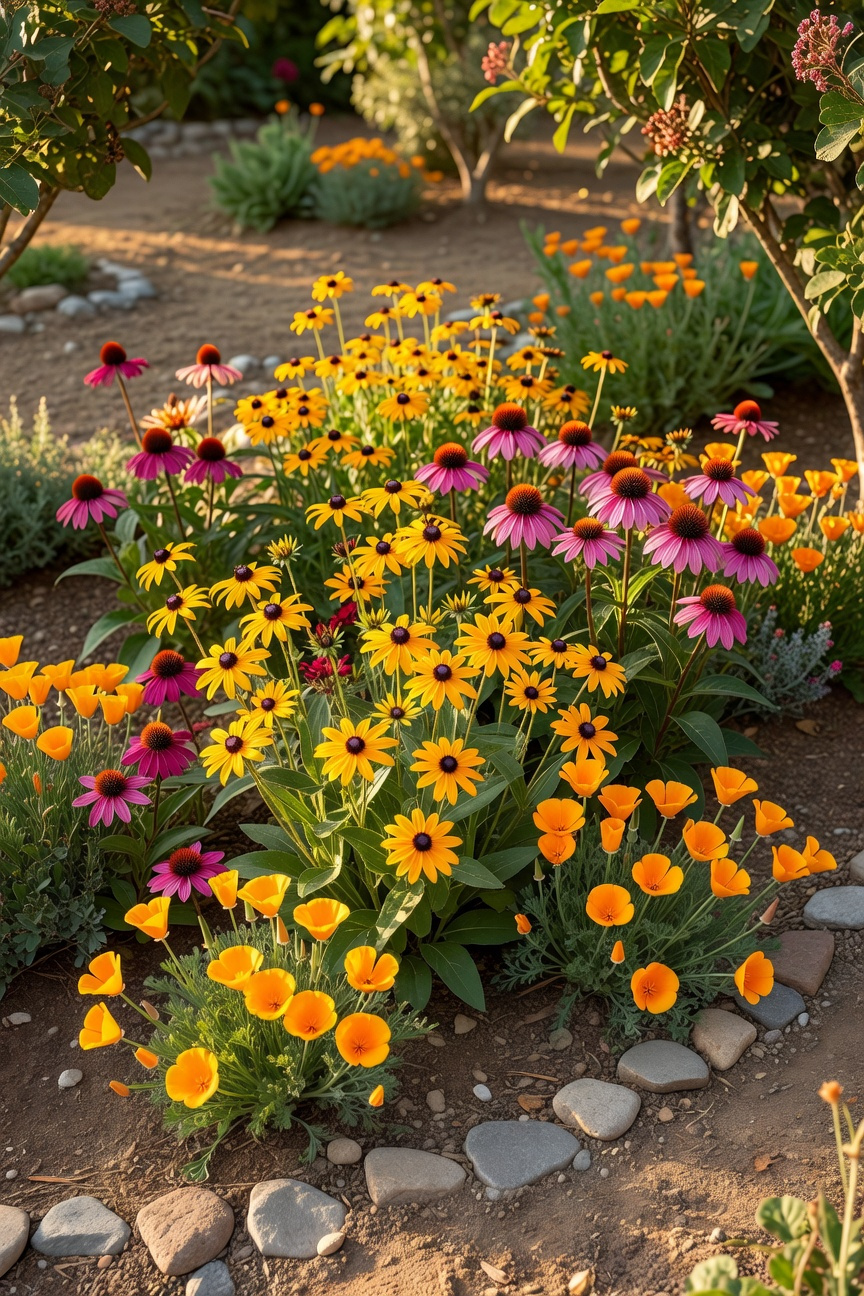


Native wildflowers like black-eyed Susans, coneflowers, and California poppies bring serious color from June through September without much work on your end.
Scatter seeds in a sunny patch of loose, well-drained soil in early spring, and let them do their thing. You don’t need to fertilize — rich soil actually produces fewer blooms.
A wildflower patch pulls in butterflies, bees, and birds all summer long, which makes your whole backyard feel more alive.
Keep the patch looking intentional by edging it with a simple border of flat stones or wooden garden stakes so it reads as a design choice rather than an unmowed corner.
4. Shaded Hammock Reading Nook
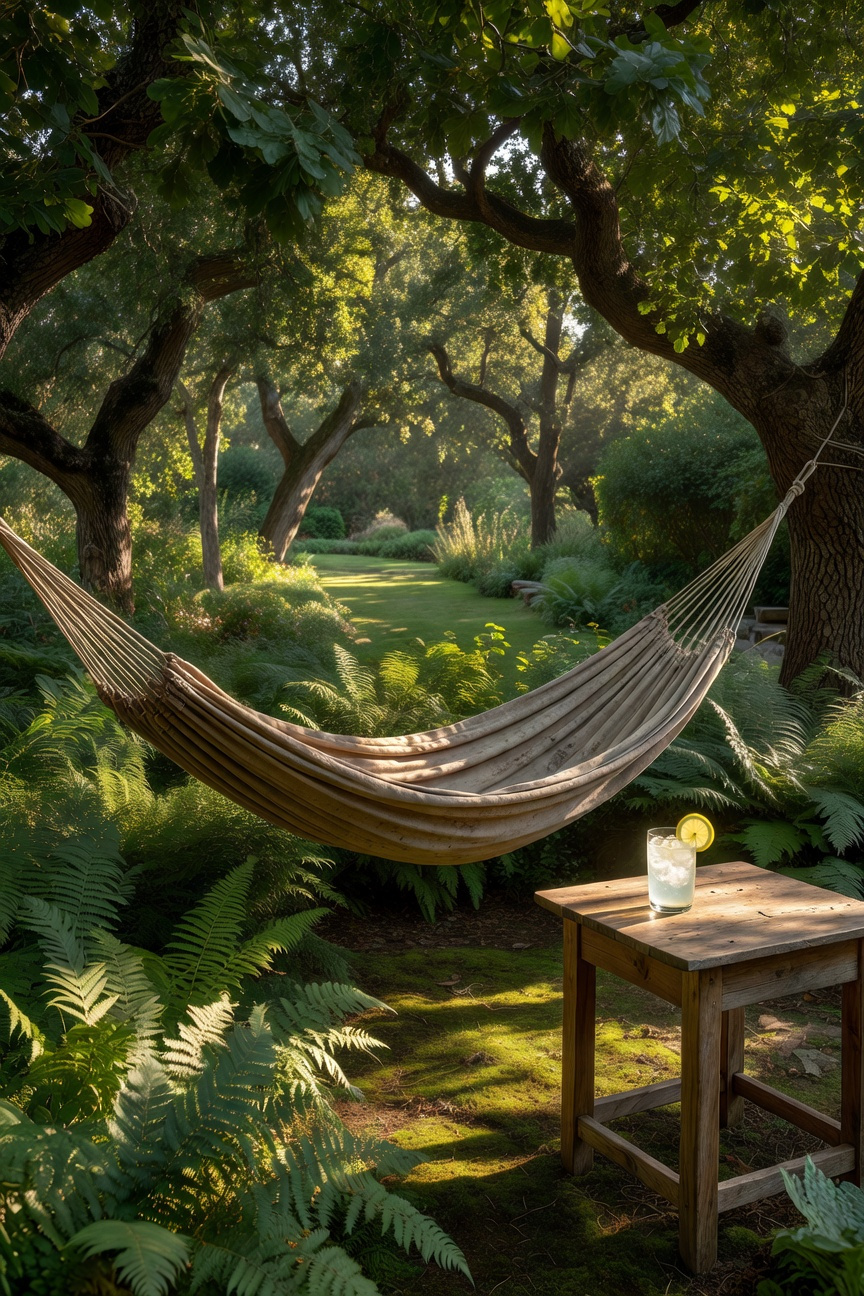


A hammock strung between two mature trees instantly gives you a shaded retreat that no patio furniture can quite match. Hang it low enough to climb in easily, and position it so you catch a cross-breeze on hot afternoons.
Choose a hammock made from weather-resistant cotton or Sunbrella fabric — both hold up through summer humidity without going stiff or moldy. Add a small wooden side table or a flat stone nearby to hold your drink and book.
Surround the base of your anchor trees with low-growing ferns or hostas to keep the ground cool and shaded underneath. The greenery softens the space without blocking airflow around the hammock itself.
5. Solar Lighting Along Garden Paths
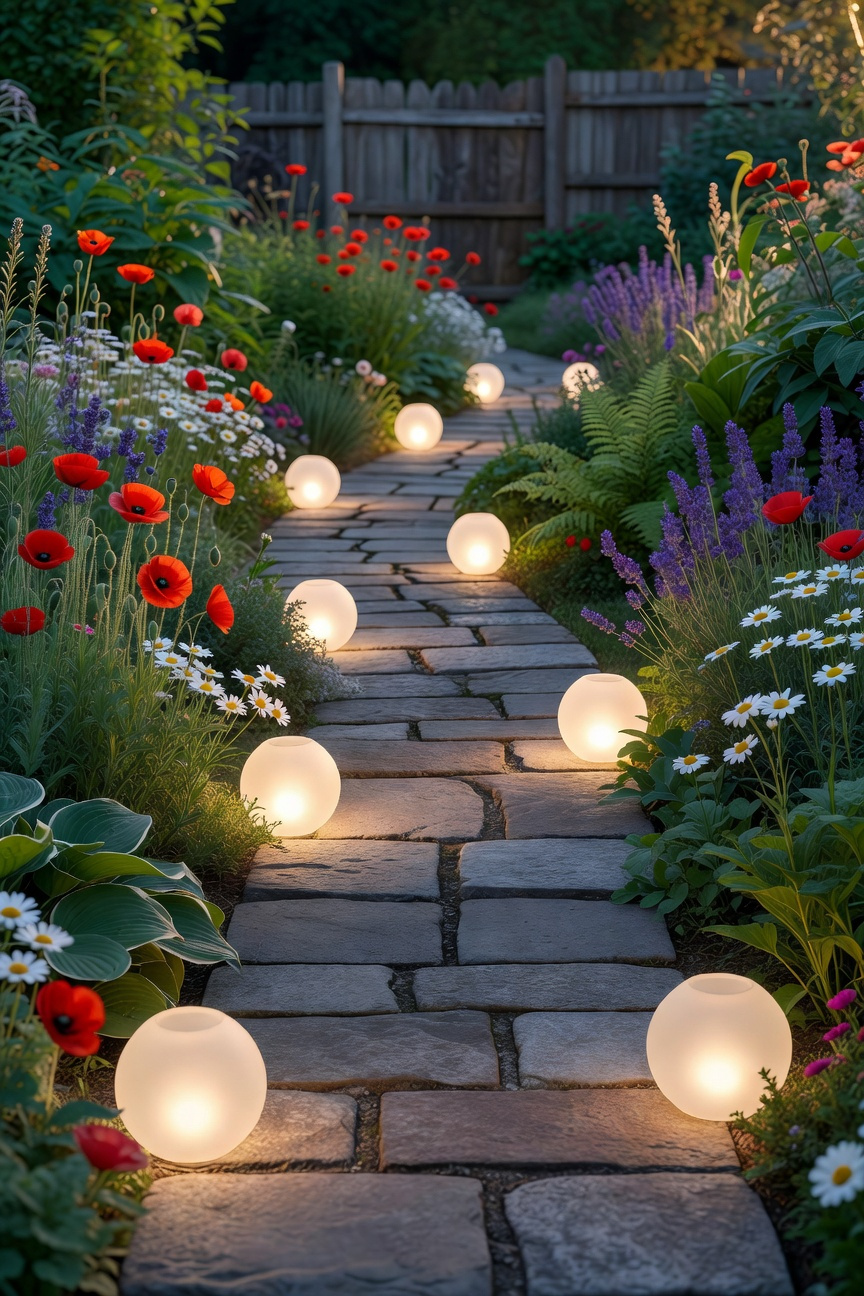


Solar path lights solve two problems at once — they guide your footing after dark and show off your garden beds without adding to your electricity bill.
Stake them every four to six feet along gravel or stone paths for even coverage. Warm white bulbs (around 2700K) work better than cool white here, since they make plants and flowers look natural rather than washed out.
Frosted globe styles or low-profile mushroom caps tend to hold up better through summer rain than cheap spike lights with exposed panels.
Point a few slightly toward your border plants rather than straight down — you get a soft upward glow that makes the whole path feel intentional without any wiring involved.
6. Upcycled Containers as Planters
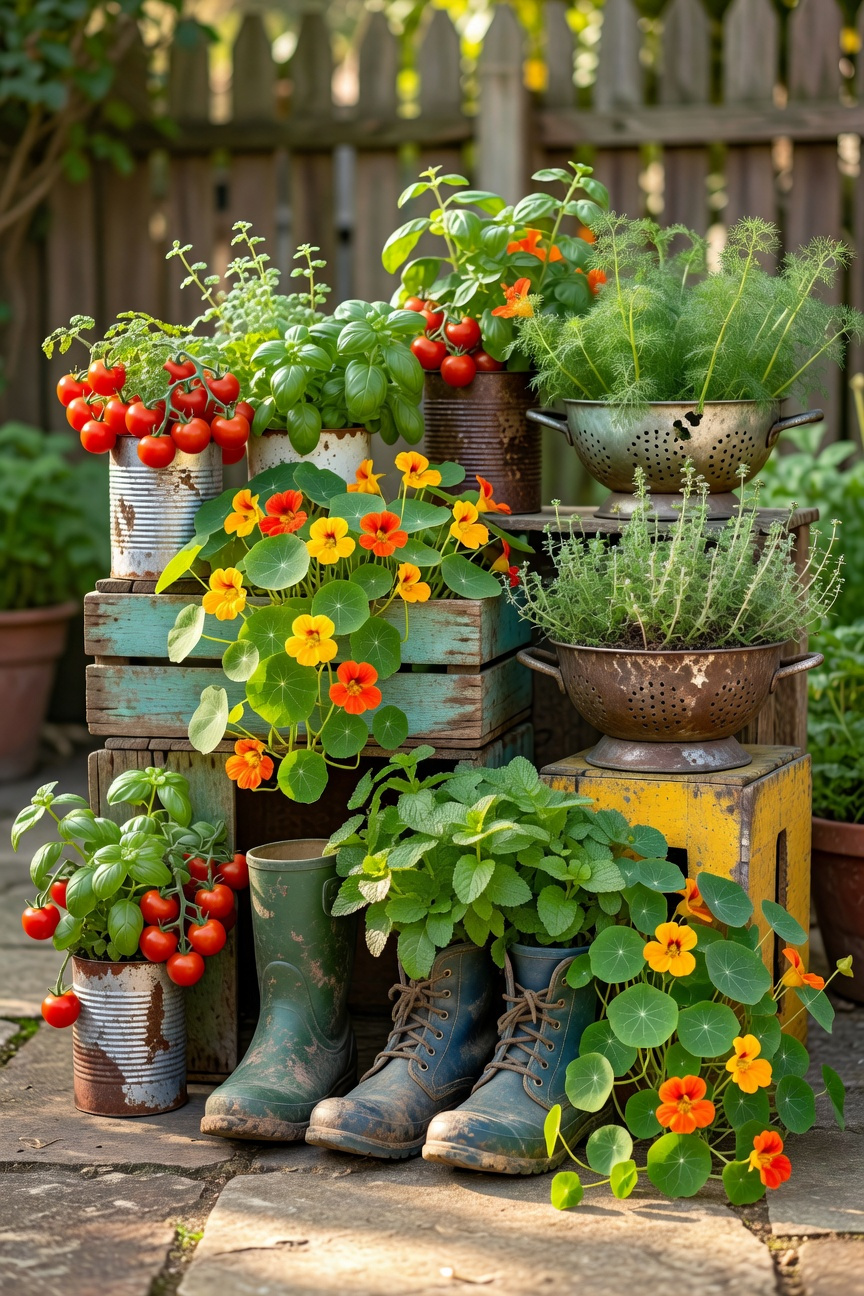


Old tin cans, wooden crates, cracked colanders, and even worn-out rain boots make surprisingly good planters. Drill a few drainage holes in the bottom, fill with potting mix, and you’re ready to grow.
Grouping containers of different heights and sizes creates a layered look without buying anything new.
Tomatoes do well in five-gallon buckets, herbs thrive in repurposed mason jars on a windowsill ledge, and trailing nasturtiums spill beautifully over the edges of old wooden wine crates.
Paint mismatched containers in two or three coordinating colors to pull the whole display together visually.
7. Pollinator-Friendly Herb Borders
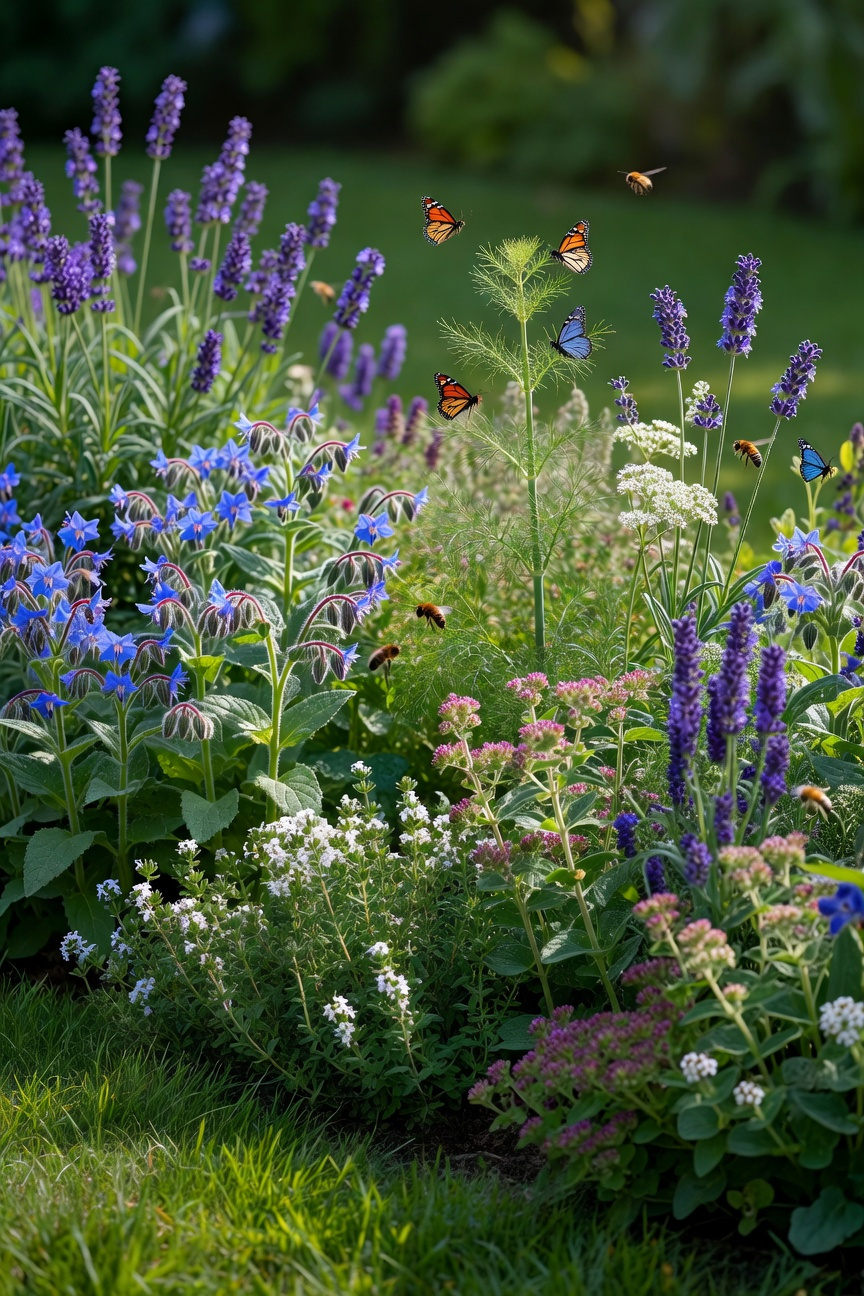

Planting herbs like lavender, borage, and thyme along your garden borders pulls in bees and butterflies without any extra effort on your part.
Keep the border at least 18 inches wide so pollinators have room to move between plants. Mixing tall herbs like fennel with low-growing oregano creates layers that attract different species throughout the day.
You also get a practical bonus — snipping fresh herbs for cooking is a lot easier when they line the edges of your beds rather than sitting in a separate patch across the yard.
8. DIY Drip Irrigation Setup
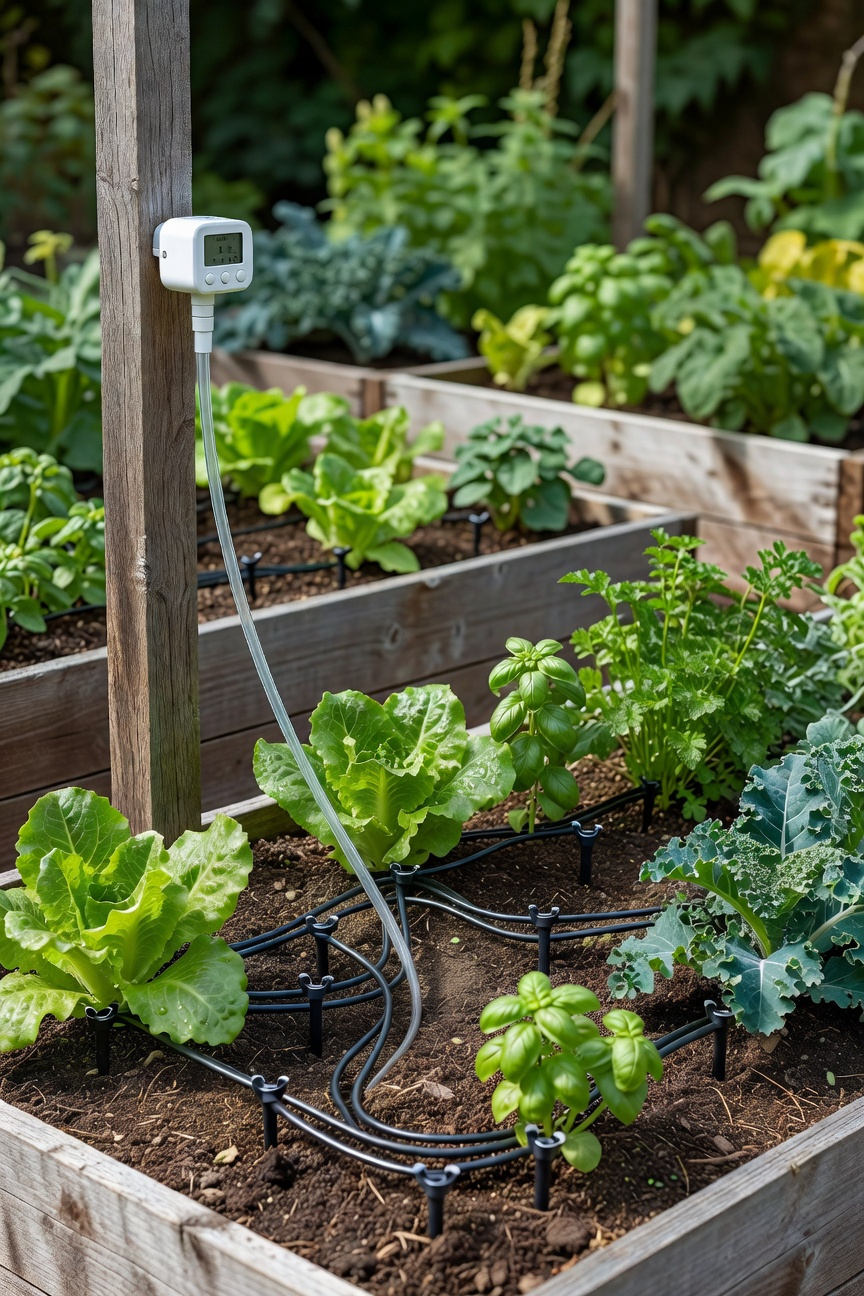
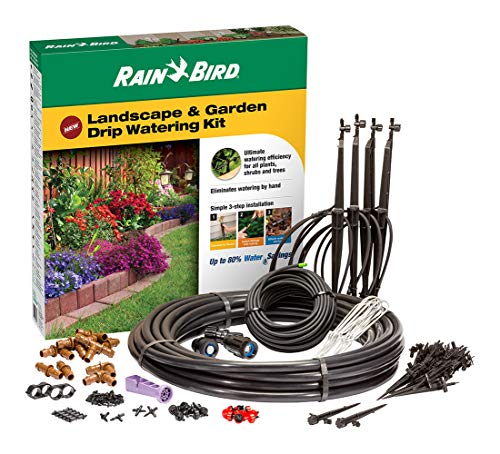


A drip irrigation system saves water and keeps your plants consistently hydrated through summer heat without you standing outside with a hose every evening.
You only need a few basics: a timer, a main supply hose, drip emitter lines, and small stakes to hold everything in place. Most hardware stores sell starter kits for under $40.
Run the emitter lines directly along your raised beds or container rows, placing individual drippers near each plant’s base. This delivers water straight to the roots, cutting down on evaporation and keeping foliage dry, which reduces fungal issues.
9. Gravel Pathways Between Garden Beds
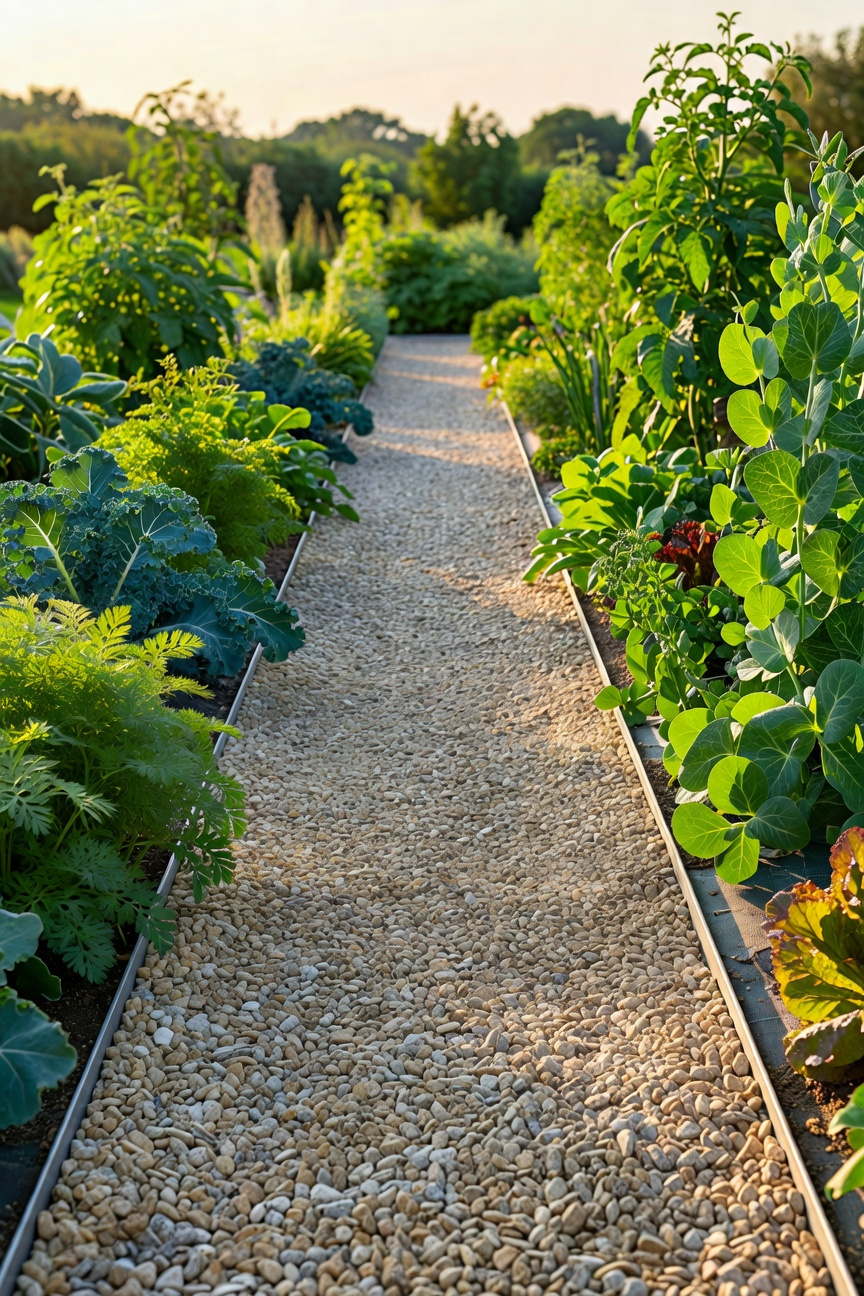


Gravel pathways keep your garden beds looking sharp while solving a real problem: mud. A simple 12–18 inch wide path filled with pea gravel or crushed granite gives you solid footing between beds even after heavy summer rain.
Lay a sheet of landscape fabric down first, then pour 2–3 inches of gravel on top. This blocks weeds from pushing through without stopping water from draining into the soil below.
Edging matters more than most people expect. Thin metal or plastic edging strips pressed into the ground on both sides stop gravel from migrating into your beds over time.
10. Outdoor Water Feature with Plants
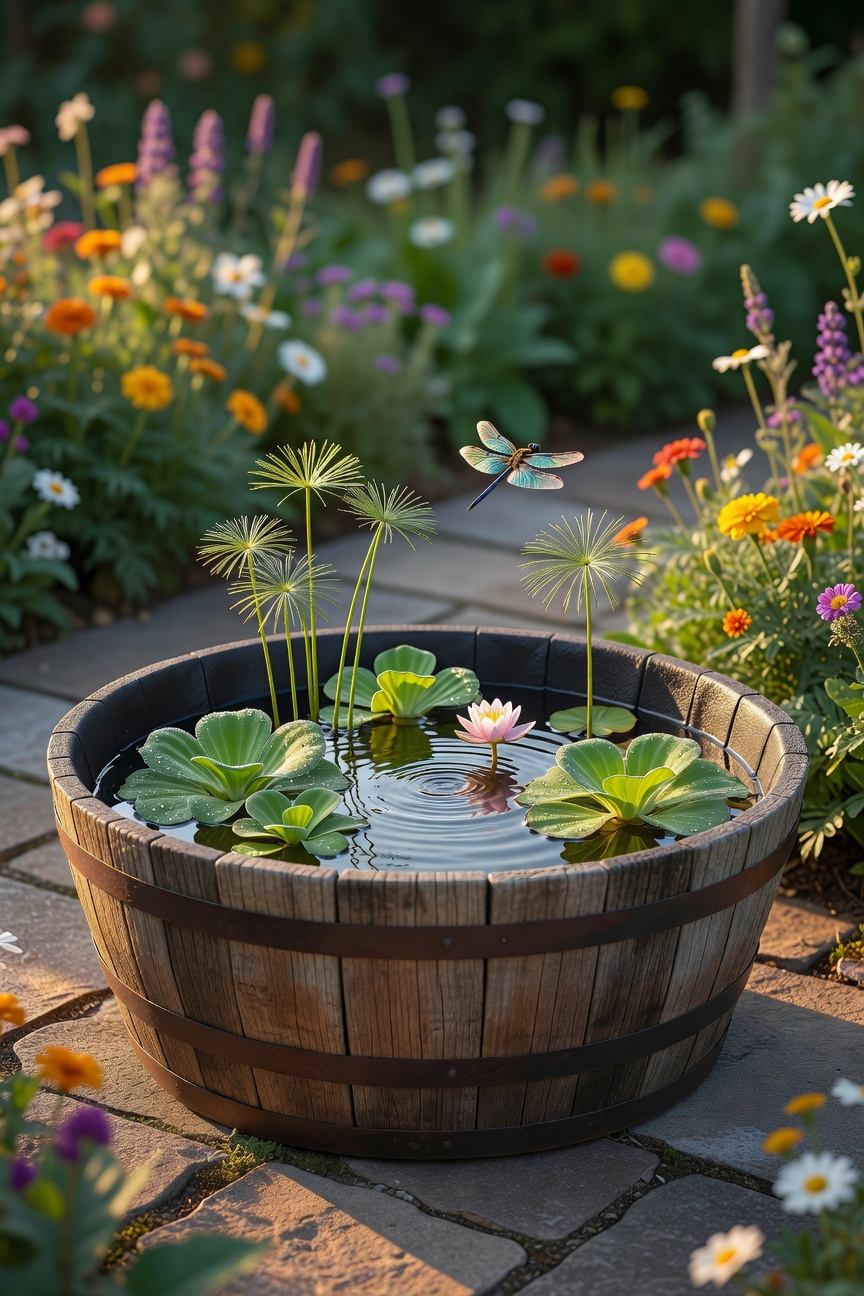


A small pond or barrel water feature adds real movement and sound to a summer garden. Even a half-barrel lined with a rubber liner and filled with water lettuce, dwarf papyrus, or a miniature water lily creates something genuinely alive.
You don’t need a large budget or a big yard. A submersible pump from a hardware store keeps the water circulating and prevents stagnation, and the whole setup can sit on a patio or tuck between garden beds.
Frogs and dragonflies show up fast once standing water appears. That’s free pest control working alongside your garden.
11. Compact Balcony Container Garden
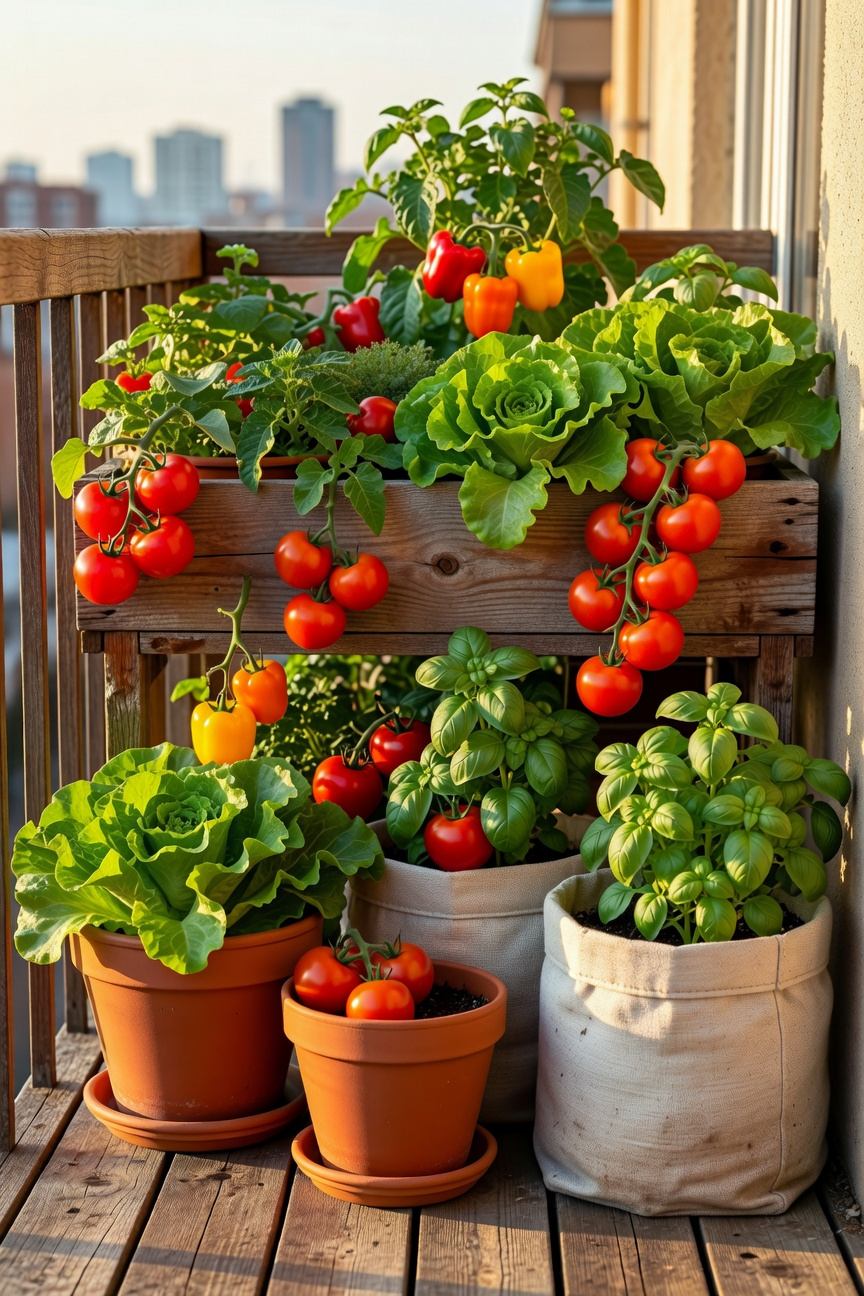


Balconies don’t need much space to grow real food. A few 12-inch terracotta pots, a couple of fabric grow bags, and a railing planter box can hold tomatoes, lettuce, basil, and peppers through the whole summer.
Group pots together so they shade each other’s soil and slow down moisture loss on hot days.
Choose a good-quality potting mix with perlite added in — regular garden soil compacts too quickly in containers and starves roots of air. Water daily in peak summer heat, and feed with a liquid fertilizer every two weeks to keep yields coming.
12. Fragrant Evening Bloom Corner
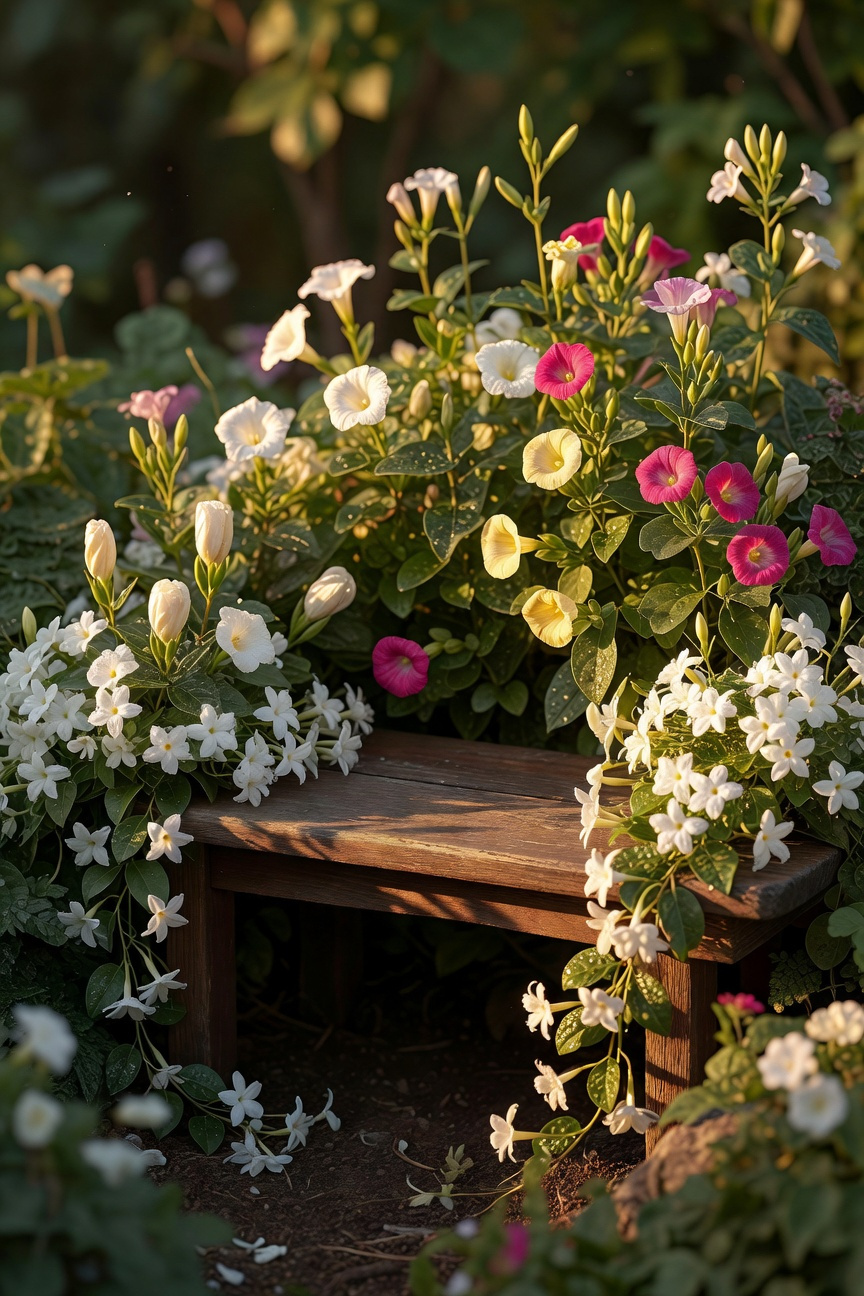


Evenings in the garden hit differently when the air carries jasmine, night-blooming cereus, or moonflower. Pick a corner that catches the last of the afternoon sun and plant these slow-openers where you actually sit and unwind.
Four o’clocks and nicotiana are cheap, easy to grow from seed, and release their scent right around the time you step outside after dinner.
Keep the corner tight — a two-foot semicircle of blooms near a chair or bench is enough. You don’t need a large dedicated bed, just a cluster of the right plants within arm’s reach of where you spend your evenings.
13. Kids Vegetable Patch Section
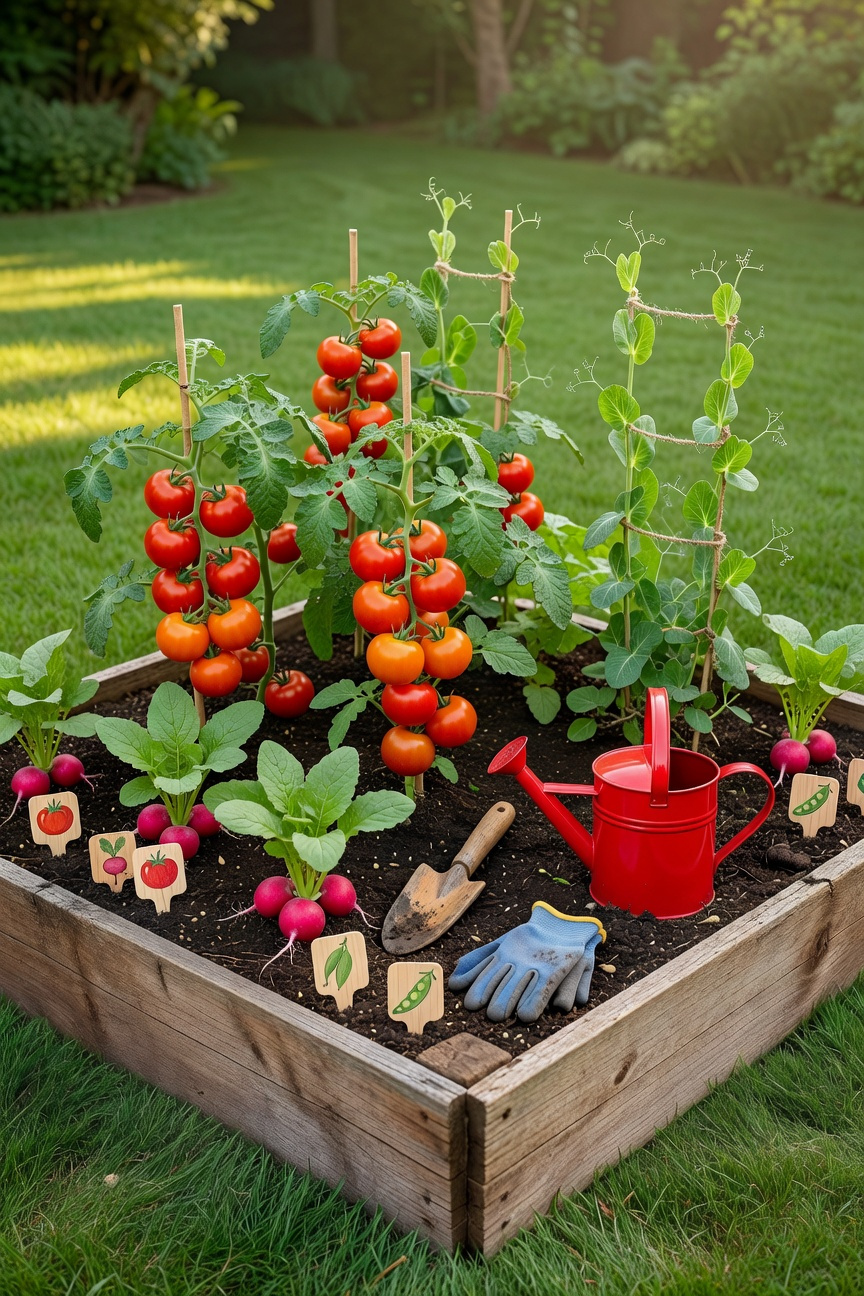


Give kids their own dedicated patch — even a 3×3 foot raised bed works — and they’ll actually care about what grows there. Let them pick two or three fast-growing crops like cherry tomatoes, radishes, or snap peas so they see results before summer ends.
Mark each plant with a hand-painted stick or a popsicle label they made themselves. Ownership matters.
Kids who label their plants water them without being asked.
Keep the tools real but right-sized — a small trowel, a watering can they can carry full, and garden gloves that fit. Struggling with adult-sized tools kills the enthusiasm fast.
14. Drought-Tolerant Succulent Arrangements
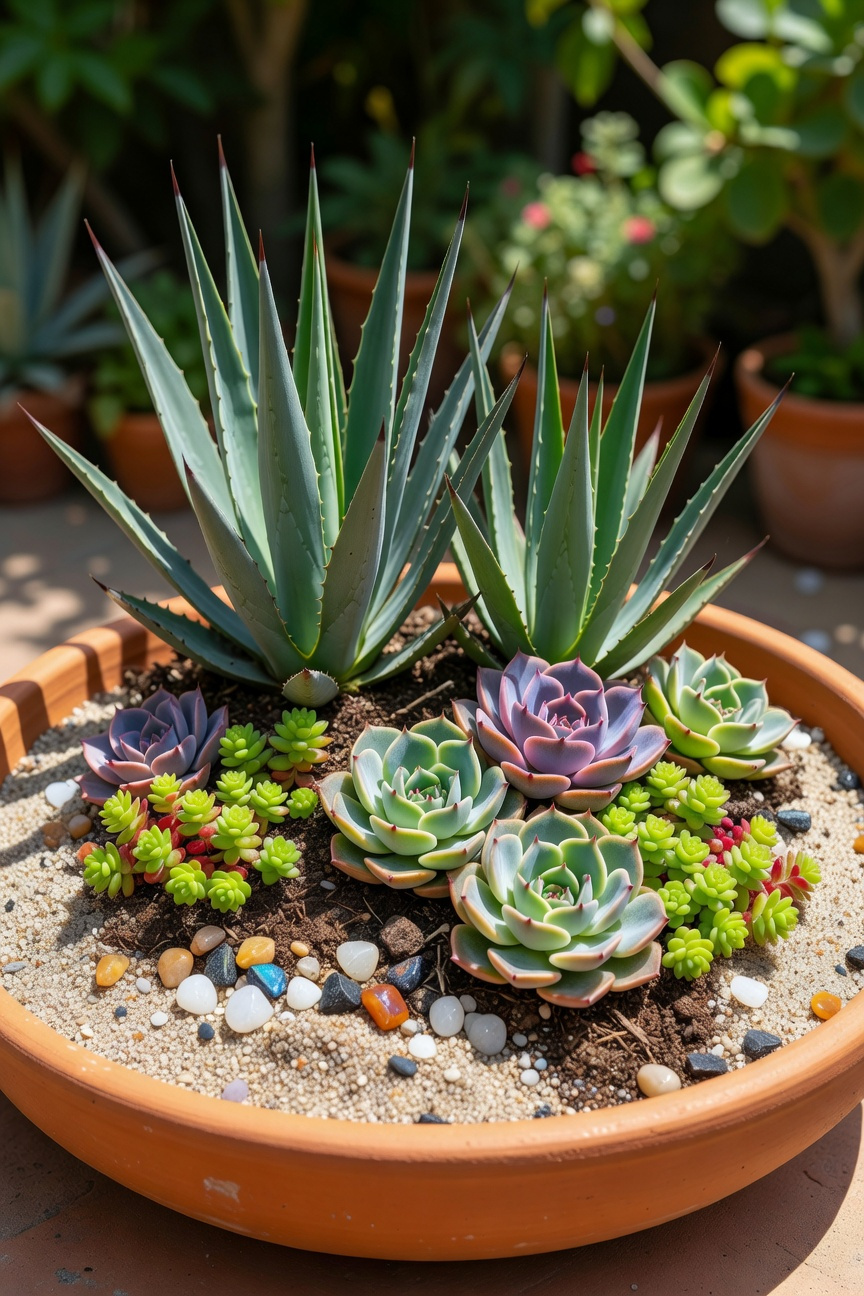
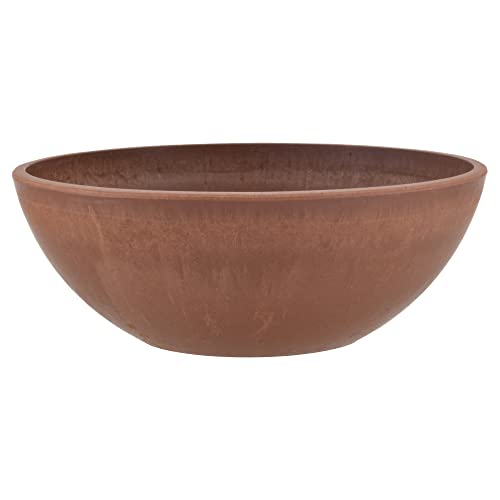
Succulents thrive on neglect, which makes them ideal for summer when you’re busy and watering feels like a chore. Group echeverias, sedums, and agaves together in a wide, shallow terracotta bowl filled with coarse sand mixed into regular potting soil for drainage.
Arrange them by height — taller agaves at the back, rosette-shaped echeverias up front.
Hot afternoons won’t faze them, and they hold their color well into late summer when other plants start looking tired. You can tuck small pieces of decorative gravel or crushed granite between plants to finish the arrangement and reduce moisture loss around the roots.
15. Fire Pit Surrounded by Greenery
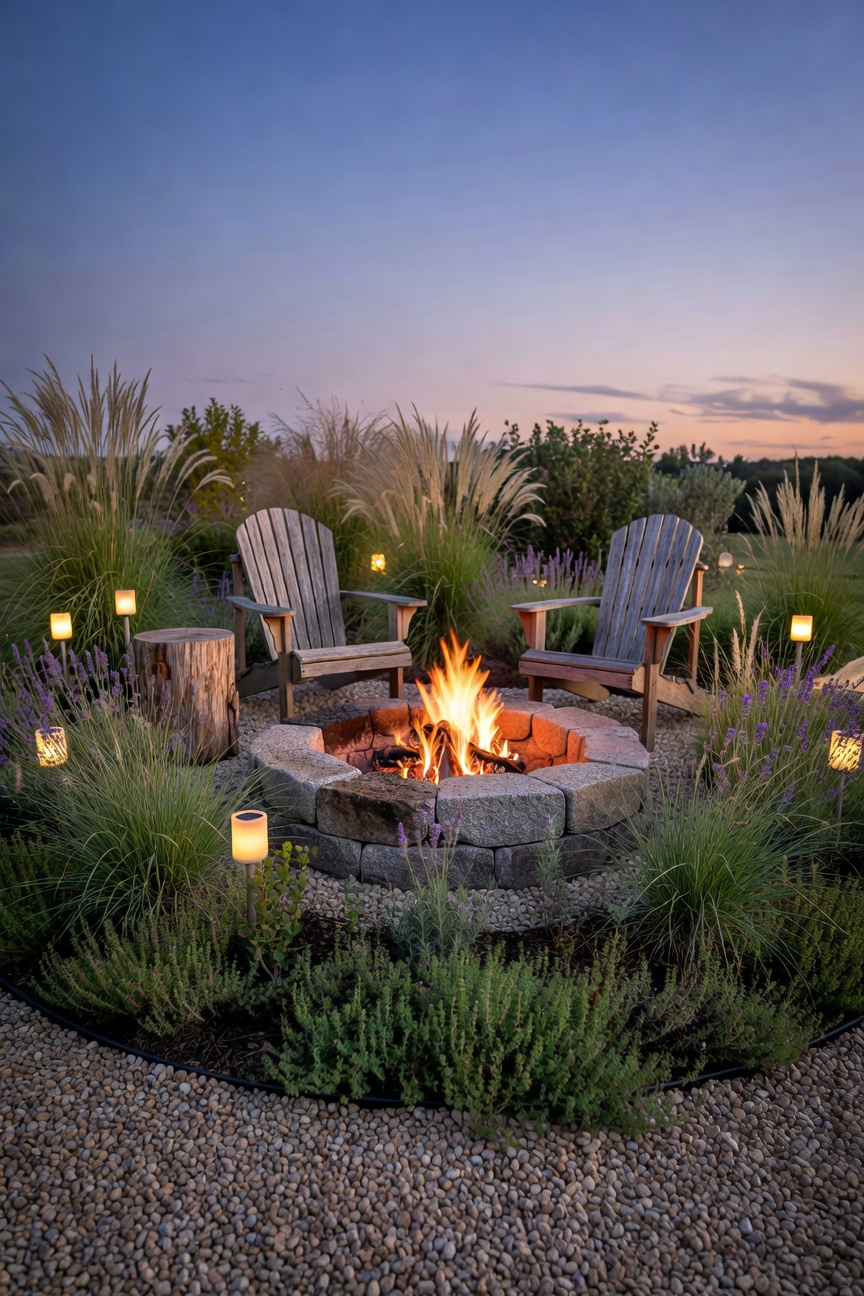

A fire pit pulls the whole backyard together, especially when you ring it with low ornamental grasses, lavender, or creeping thyme that won’t mind the occasional heat.
Keep a clear gravel or stone buffer of at least two feet between the pit edge and any plantings — this protects the roots and gives you a clean, defined look without needing extra edging materials.
Adirondack chairs or simple log stumps work well as seating inside that green ring.
String a few solar lights through the surrounding shrubs and the whole setup stays lit long after the fire dies down, no extension cords needed.
